


In any weighing system, accuracy, stability, and reliability depend on two critical components: the amplifier and the indicator. These components ensure that signals from load cells are processed correctly and displayed in a clear, usable format.
However, when it comes to purchasing amplifiers and indicators, industries often face the same dilemma:
- Should you invest in high-end devices for better performance?
- Or should you cut costs by choosing budget options that meet only basic requirements?
This blog explores the cost vs performance trade-off and provides a guide on how to budget effectively for amplifiers and indicators in industrial weighing systems.
Understanding Amplifiers and Indicators
What is a Load Cell Amplifier?
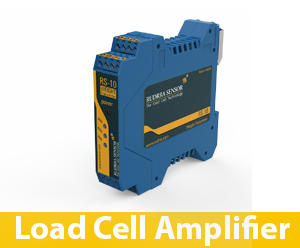
A load cell amplifier is responsible for converting the weak millivolt signal from the load cell into a stronger, standardized output signal (such as 4–20 mA, 0–10 V, or digital).
- It ensures the signal is stable.
- It allows integration with PLCs, SCADA, and other control systems.
What is a Weighing Indicator?
A weighing indicator (or digital weight indicator) is the user interface of the weighing system. It:
- Displays the weight reading.
- Provides control functions (tare, zero, accumulation).
- Offers communication ports (RS-232, RS-485, Ethernet, etc.).
- May include data logging and printing options.
Together, these devices form the brain and voice of a weighing system.
Why Cost vs Performance Matters in Weighing Systems
In industries like agriculture, logistics, pharmaceuticals, or manufacturing, precision is everything. A mismatch between cost and performance can lead to:
- Over-spending: Paying for features you don’t need.
- Under-performance: Buying cheaper devices that fail under heavy workloads.
- Downtime costs: Replacing unreliable equipment too frequently.
Thus, businesses must balance cost with performance to get maximum ROI.
Factors That Influence the Cost of Amplifiers and Indicators
1: Accuracy and Resolution
- High-precision amplifiers cost more because they offer microvolt sensitivity and advanced filtering.
- Indicators with finer resolution and better A/D converters also increase price.
2: Build Quality & Materials
- Stainless steel housings (for harsh environments) are pricier than plastic ones.
- Waterproof and dustproof ratings (IP65/IP68) increase durability but add cost.
3: Communication Options
- Basic amplifiers may only provide analog output.
- Advanced ones offer Modbus, Profibus, Profinet, or Ethernet compatibility—essential for Industry 4.0 but costlier.
4: Functionality of Indicators
- Entry-level indicators: Show weight, tare, zero.
- Mid-range: Add accumulation, batching, check-weighing.
- High-end: Include multi-channel support, recipe management, printing, and remote monitoring.
5: Brand and Warranty
- Trusted brands with strong after-sales support typically charge a premium—but also reduce risk of downtime.
Performance Benefits of Quality Amplifiers and Indicators
- Better Accuracy: High-quality amplifiers reduce noise and drift, ensuring precise readings—critical for pharmaceuticals, chemical dosing, and high-value goods.
- Faster Response Time: In dynamic weighing (e.g., conveyor belts), faster signal processing improves throughput.
- Longer Lifespan: Rugged amplifiers and indicators last longer in dusty warehouses, outdoor silos, or heavy industries.
- Integration Flexibility: Modern amplifiers and indicators with multiple communication ports connect seamlessly with automation systems.
- Reduced Downtime: Reliable devices mean fewer replacements, less calibration, and higher productivity.
Budgeting Strategy: Cost vs Performance
Here’s a practical framework for budgeting:
Define Your Application
- Basic industrial weighing → Entry-level devices may suffice.
- High-precision pharma or lab weighing → Invest in high-end amplifiers and indicators.
- Outdoor/harsh environments → Choose rugged, IP-rated housings.
Evaluate Total Cost of Ownership (TCO)
Instead of just purchase price, consider:
- Maintenance costs
- Calibration frequency
- Downtime losses
- Energy efficiency
A slightly higher upfront cost can reduce long-term expenses.
Match Features with Needs
Don’t pay extra for features you won’t use. For example:
- A small warehouse may not need Ethernet-enabled smart indicators.
- A chemical plant may not need recipe management in the indicator.
Split Budget Between Amplifier & Indicator
- Amplifier (~30–40% of cost): Prioritize signal quality and compatibility.
- Indicator (~60–70% of cost): Prioritize usability, display clarity, and connectivity.
Consider Scalability
- If your plant is expanding, investing in advanced indicators with extra communication options may save future upgrade costs.
Cost vs Performance: A Comparison Table
| Feature | Entry-Level Devices | Mid-Range Devices | High-End Devices |
|---|---|---|---|
| Amplifier Price | Low | Moderate | High |
| Accuracy | ±0.05–0.1% | ±0.01–0.05% | ±0.005–0.01% |
| Indicator Features | Basic weight display | Batching, accumulation, check-weighing | Multi-function, Ethernet, remote monitoring |
| Durability | Standard indoor use | Moderate industry | Harsh environment, IP68 |
| Best For | Small warehouses, retail | Manufacturing plants | Pharma, chemical, large industrial automation |
Practical Example: Budgeting for a Factory
- Small Packaging Plant: Needs basic check-weighing → Entry-level indicator + standard amplifier = lower cost, sufficient performance.
- Mid-Sized Chemical Plant: Requires accurate batching + PLC integration → Mid-range amplifier + indicator with Modbus = balanced budget.
- Pharmaceutical Plant: Demands precision, compliance, data logging → High-end amplifier + smart indicator with Ethernet = higher cost but critical accuracy.
Tips to Maximize ROI on Amplifiers and Indicators
- Buy from reliable manufacturers/suppliers with proven track records.
- Standardize equipment across your plant for easier maintenance.
- Train operators to use indicators efficiently—improper handling leads to errors.
- Invest in calibration schedules to maintain accuracy.
- Plan for spares—having backup amplifiers/indicators reduces downtime.
Conclusion
When it comes to amplifiers and indicators in weighing systems, the question isn’t just about cost—it’s about value.
- Going too cheap risks inaccuracy, downtime, and higher long-term costs.
- Overspending on features you don’t need ties up unnecessary capital.
The smart approach is to align performance with application needs and view purchase as a long-term investment. Whether you’re running a small warehouse, a mid-size manufacturing plant, or a high-precision pharma facility, balancing cost and performance ensures efficiency, reliability, and profitability.