


In industries where accuracy and efficiency are non-negotiable, weighing systems are the backbone of daily operations. From logistics to agriculture, from construction to manufacturing, the ability to measure loads precisely can make or break productivity. At the center of these systems lies a critical component—the load indicator.
Load indicators act as the “brain” of weighing systems, simplifying the process by converting complex load cell signals into clear, actionable weight data. With the right load indicator, companies can achieve higher efficiency, ensure safety, and maintain compliance with industry standards.
This article explores how load indicators make weighing systems simpler, and the key features you should look for when choosing one.
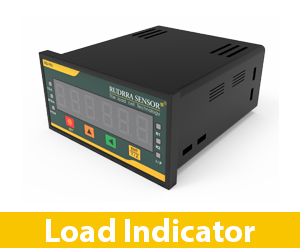
What is a Load Indicator?
A load indicator is an electronic device that interprets signals from load cells and displays the weight in an easy-to-read format. Instead of dealing with raw millivolt signals, operators see precise weight data in real time.
Beyond simple weight display, today’s load indicators often include advanced features like:
- Alarms for overload conditions
- Data logging for traceability
- Connectivity with PLCs or computers
- Tare, zeroing, and calibration functions
In short, they transform complex measurements into user-friendly weight management solutions.
How Load Indicators Simplify Weighing Systems
1: Easy Interpretation of Data
Operators don’t need to be technical experts. Load indicators present weight in a clear digital format, eliminating guesswork and reducing human error.
2: Real-Time Monitoring
Modern load indicators provide instant weight readings. Whether on a crane, truck scale, or batching system, operators always know the exact load in real time.
3: Safety Assurance
Indicators with overload alarms help prevent accidents, equipment failures, and costly downtime. They act as early warning systems for unsafe load conditions.
4: Streamlined Processes
With programmable functions like tare, batching, and peak hold, weighing becomes faster and more efficient. This improves throughput without compromising accuracy.
5: Versatility Across Industries
Load indicators adapt to a wide range of applications—whether it’s weighing agricultural produce, monitoring construction materials, or tracking cargo in logistics.
Key Features to Look For in a Load Indicator
When investing in a load indicator, it’s important to choose one that aligns with your operational needs. Here are the must-have features to consider:
1. High Accuracy and Resolution
The primary purpose of a load indicator is to deliver precise and reliable weight data. Look for models with high-resolution displays and stable readings.
2. Clear, Bright Display
Whether indoors or outdoors, the display should be easy to read. Backlit LED or LCD screens are ideal for visibility in all lighting conditions.
3. Multiple Input Compatibility
A good load indicator works with different types of load cells—tension, compression, shear beam, and more. This flexibility ensures scalability across applications.
4. Connectivity Options
In modern smart industries, connectivity is essential. Look for load indicators with USB, RS-232, RS-485, Ethernet, or even wireless communication for data integration.
5. Data Logging and Storage
For industries with compliance requirements, data logging is critical. Indicators that store weight history simplify audits and traceability.
6. Programmable Functions
Features like tare, batching, auto-zero, and peak hold add value and improve operational efficiency.
7. Durable and Rugged Design
Harsh industrial conditions demand durability. Choose load indicators with IP-rated enclosures for protection against dust, moisture, and vibration.
8. Alarms and Safety Alerts
Overload protection, audible alarms, and visual indicators are vital safety features that help protect both people and equipment.
9. Easy Calibration
Look for indicators that allow simple digital calibration or auto-calibration. This reduces downtime and ensures ongoing accuracy.
10. Portability (Optional)
For fieldwork or remote operations, portable battery-powered indicators are a practical choice.
Benefits of Choosing the Right Load Indicator
- Reduces human error with clear digital displays
- Saves time through quick readings and automation
- Enhances safety with overload alerts
- Improves productivity by streamlining weighing operations
- Ensures compliance with accurate and traceable data
Industries That Benefit from Load Indicators
- Construction – crane load monitoring, material handling
- Agriculture – weighing grains, feed, and fertilizers
- Logistics & Transport – truck scales, cargo management
- Manufacturing – batching, blending, process control
- Research & Testing – material testing, laboratory use
Conclusion
Load indicators are more than just display units—they are essential tools that simplify weighing systems, improve safety, and boost efficiency. By selecting the right indicator with the right features, businesses can save costs, reduce downtime, and ensure accurate operations across industries.
When choosing a load indicator, focus on accuracy, connectivity, durability, and ease of use. The right investment today will pay off in long-term performance and reliability.