


In industrial weighing systems, load cells are the core components that measure weight or force with high precision. However, in complex applications—such as large platform scales, tank weighing, or automated batching systems—a single load cell is rarely enough. This is where load cell assemblies come into play. These assemblies combine multiple load cells with mounting hardware, junction boxes, and protective structures to ensure accuracy, reliability, and ease of integration.
In this blog, we’ll explore the design principles of load cell assemblies, their benefits, and practical tips for integrating them into complex weighing setups.
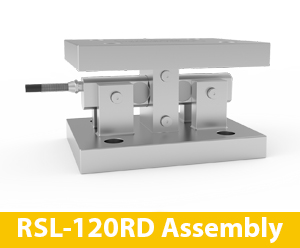
What is a Load Cell Assembly?
A load cell assembly is a complete module that includes:
- Multiple load cells (strain gauge or digital types)
- Mounting hardware (supports, brackets, pivot points)
- Junction boxes for wiring and signal summation
- Protective housings for environmental resistance
These assemblies are designed to handle complex weighing applications where precision, stability, and durability are critical.
Design Principles of Load Cell Assemblies
When designing a load cell assembly, several key principles ensure accurate measurement and long-term reliability:
1. Load Distribution
- Multiple load cells should share the applied load evenly to prevent overload on a single sensor.
- Proper load distribution ensures high accuracy and uniform wear.
2. Structural Integrity
- Use rigid and stable mounting frames to prevent bending or torsion.
- Avoid misalignment, which can introduce measurement errors.
3. Environmental Protection
- Incorporate stainless steel or coated housings for corrosion resistance.
- Seal junction boxes and cabling for IP65/IP68 protection in wet or dusty environments.
4. Signal Summation and Amplification
- Use junction boxes or summing modules to combine outputs from multiple load cells.
- Integrate signal amplifiers if long-distance transmission or PLC integration is required.
5. Flexibility and Modularity
- Design assemblies that can be adjusted for different platform sizes or load capacities.
- Modular designs simplify maintenance and future upgrades.
Benefits of Using Load Cell Assemblies
1. Enhanced Accuracy
By distributing the load and minimizing structural deflection, assemblies provide more consistent and precise measurements compared to single load cell setups.
2. Simplified Installation
Pre-configured assemblies reduce installation time and errors. Components are factory-aligned and pre-wired, ensuring proper orientation and wiring.
3. Durability and Reliability
Protective housings and rigid mounting reduce mechanical stress and environmental damage, increasing the lifespan of the weighing system.
4. Scalability
Assemblies can be scaled up or modified for larger platforms, tanks, or silos without redesigning the entire system.
5. Integration with Automation Systems
With built-in junction boxes and standard signal outputs, load cell assemblies can be easily integrated with PLCs, SCADA systems, or digital controllers.
Integration Tips for Complex Weighing Setups
1. Plan for Load Paths
- Identify all points of force application and ensure load cells are positioned to handle expected loads.
- Avoid placing cells near pivot points or edges that can create uneven stress.
2. Calibrate After Assembly
- Even with pre-assembled units, perform system-level calibration to account for structural deflections and summing errors.
3. Use Quality Junction Boxes
- Select junction boxes that provide shielding, grounding, and easy wiring access.
- Ensure compatibility with the number of load cells and signal type (analog/digital).
4. Consider Environmental Conditions
- For outdoor or corrosive environments, use stainless steel or IP68-rated assemblies.
- Consider vibration damping or shock-absorbing mounts if the setup is exposed to heavy machinery.
5. Plan for Maintenance
- Choose assemblies with modular components for easy replacement of load cells or connectors.
- Document wiring and cell positions for quicker troubleshooting.
Applications of Load Cell Assemblies
- Platform Scales: Multiple load cells for large weighing platforms.
- Tank and Silo Weighing: Uniform load distribution for liquid or bulk material tanks.
- Industrial Batching Systems: Integration with PLCs for precise material dosing.
- Automated Conveyor Weighing: Continuous weight monitoring across moving platforms.
- Heavy-Duty Truck Scales: Robust assemblies to handle large and uneven loads.
Conclusion
Load cell assemblies are essential for complex and high-precision weighing systems. By combining multiple load cells with protective housings, junction boxes, and pre-aligned mounting hardware, these assemblies deliver accuracy, durability, and ease of integration.
For engineers and system integrators, understanding the design principles and best practices for integration ensures that your weighing system performs reliably, even under challenging industrial conditions.
Whether it’s a large platform scale, automated batching line, or industrial silo, using a properly designed load cell assembly maximizes accuracy, reduces maintenance, and streamlines integration with automation systems.