


Load cells are the backbone of modern weighing and force measurement systems. They are used in industries ranging from manufacturing, logistics, and agriculture to pharmaceuticals and construction. While load cells themselves are engineered for durability and long-term performance, the accessories that support them—amplifiers, adhesives, and assemblies—also play a critical role in ensuring accuracy, safety, and reliability.
Like all industrial components, these accessories have a defined lifecycle. Knowing when to replace them can save your business from downtime, costly errors, and even safety risks. In this blog, we’ll walk through the lifecycle of load cells and their key accessories, explaining when and why replacement is necessary.
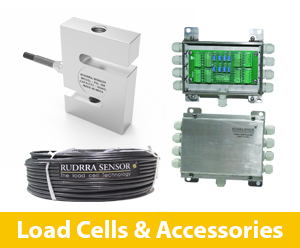
Understanding the Lifecycle of Load Cells
A load cell is a precision sensor that converts mechanical force into an electrical signal. Under normal usage, high-quality load cells can last for many years, even decades. However, factors like overloading, electrical surges, harsh environments, or mechanical fatigue can shorten their lifespan.
Accessories such as amplifiers, adhesives, and assemblies experience wear and tear faster because they deal with electrical conditioning, bonding, and physical integration. This makes regular inspection and timely replacement essential.
When to Replace Load Cell Amplifiers
Load cell amplifiers (or signal conditioners) boost the weak millivolt signals from load cells into stronger outputs (voltage, current, or digital). Their lifecycle depends on usage intensity, environmental conditions, and electrical stress.
Signs It’s Time to Replace an Amplifier:
- Unstable Readings – If weight values fluctuate despite a stable load, the amplifier may be degrading.
- Signal Loss – Weak or no output, even when the load cell is functional.
- Electrical Noise Interference – Poor filtering or isolation in older amplifiers can compromise accuracy.
- Obsolete Technology – If your amplifier lacks modern outputs (e.g., 4–20 mA, Modbus, Ethernet), upgrading may be necessary for system integration.
✅ Lifecycle Tip: Most amplifiers last 5–10 years under normal use but may need earlier replacement in high-vibration or high-temperature environments.
When to Replace Adhesives in Load Cells
Inside a load cell, strain gauges are bonded to the sensing element with specialized adhesives. These adhesives ensure stable performance by maintaining the gauge’s position and protection against environmental factors.
Signs It’s Time to Replace Adhesives (or Rebond the Sensor):
- Drifting Measurements – Gradual signal drift may indicate weakened bonding.
- Exposure to Moisture or Chemicals – Harsh environments can degrade adhesives over time.
- Mechanical Shock – Impacts or overloads can break adhesive bonds.
Since adhesives are internal components, replacement usually requires factory repair or refurbishment by the manufacturer.
✅ Lifecycle Tip: Adhesives are expected to last 10–15 years under controlled conditions but degrade faster in outdoor or corrosive environments.
When to Replace Load Cell Assemblies
Load cell assemblies include mounting hardware, housings, and mechanical fixtures that integrate the load cell into the weighing system. Assemblies face constant mechanical stress, vibration, and environmental exposure, so their replacement cycle is shorter.
Signs It’s Time to Replace Assemblies:
- Corrosion or Rust – Weakens structural integrity and affects accuracy.
- Mechanical Wear – Loose or deformed mounts reduce system stability.
- Cracks or Damage – Physical cracks in assemblies compromise safety.
- Frequent Calibration Issues – If recalibration is required too often, the assembly may no longer be aligned.
✅ Lifecycle Tip: Assemblies should be inspected annually and typically replaced every 5–7 years, or sooner in harsh conditions.
Best Practices to Extend the Lifecycle of Load Cells & Accessories
- Regular Inspection & Maintenance – Routine checks for corrosion, loose connections, or electrical issues extend system life.
- Proper Calibration – Scheduled calibrations ensure accuracy and detect early signs of wear.
- Environmental Protection – Use sealed load cells and enclosures in dusty, wet, or chemical-heavy environments.
- Avoid Overloading – Never exceed rated capacity to prevent permanent damage.
- Upgrade Outdated Electronics – Replace amplifiers with modern signal conditioners to improve accuracy and connectivity.
Industries Where Timely Replacement is Critical
- Food & Beverage – Strict hygiene and compliance standards require reliable weighing systems.
- Pharmaceuticals – Precision is vital; even minor deviations can affect product quality.
- Logistics & Transport – Inaccurate weight readings can lead to compliance violations.
- Construction & Heavy Equipment – Safety risks demand regular checks of load cells and assemblies.
- Agriculture – Outdoor exposure accelerates wear, requiring proactive replacement.
Conclusion
Load cells are highly durable, but their accessories—amplifiers, adhesives, and assemblies—are more vulnerable to wear and environmental factors. Knowing their typical lifecycles and recognizing early warning signs helps prevent breakdowns, maintain accuracy, and ensure workplace safety.
- Replace amplifiers every 5–10 years or when unstable signals occur.
- Monitor adhesives for drift or environmental degradation, with a 10–15 year expected life.
- Inspect assemblies annually and replace within 5–7 years under heavy use.
By following these guidelines, businesses can maximize system performance, reduce downtime, and ensure accurate weighing for years to come.