


The demand for compact, precise, and high-performance load cells is rapidly growing across industries. From robotics and medical equipment to aerospace and industrial automation, the need for smaller sensors that deliver accurate measurements has never been greater. This trend is driving innovation in miniaturized load cells, particularly in button type load cells and low-profile compression load cells.
In this blog, we’ll explore how miniaturization is transforming load cell design, why industries are adopting these compact solutions, and the key benefits and applications of button type and low-profile compression load cells.
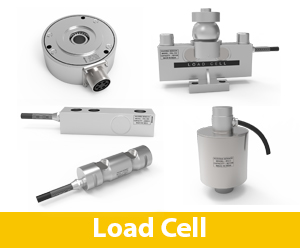
Why Miniaturization Matters in Load Cells
Traditionally, load cells were designed with larger housings to accommodate strain gauges, mechanical protection, and wiring. However, modern engineering challenges often demand space-saving designs without sacrificing accuracy.
Some driving factors for miniaturization include:
- Compact Machines & Robotics – Smaller systems need equally small sensors.
- Precision Applications – Medical and aerospace systems require micro-level measurements.
- Lightweight Designs – Reducing component size contributes to energy efficiency.
- Advanced Materials & Manufacturing – Miniaturization is now possible due to advancements in micro-machining, MEMS, and robust alloys.
As a result, industries are embracing miniaturized load cells for applications where traditional, bulkier load cells would not fit or function efficiently.
Button Type Load Cells: Compact Precision Sensors
What Are Button Type Load Cells?
Button load cells are cylindrical, compact compression load cells with a load button or dome on top. They are designed to measure forces in applications with limited installation space. Despite their small size, they provide high accuracy and repeatability.
Key Features of Button Load Cells:
- Ultra-compact and lightweight
- High stiffness for accurate force transfer
- Wide capacity range (from a few Newtons to several tons)
- Easy to integrate in confined spaces
Applications of Button Load Cells:
- Robotics and Automation – Force feedback in robotic grippers.
- Medical Devices – Measuring force in surgical instruments or prosthetics.
- Product Testing – Compact load measurement in handheld testing tools.
- Aerospace & Defense – Force monitoring in lightweight structural testing.
With button type load cells, industries achieve space efficiency without losing measurement accuracy.
Low-Profile Compression Load Cells: Balancing Compactness and Strength
What Are Low-Profile Compression Load Cells?
Low-profile load cells are flat, disc-shaped sensors designed for compression measurement. They are often called pancake load cells and are built to handle high loads in limited vertical space.
Key Features of Low-Profile Compression Load Cells:
- Slim design for confined spaces
- High load-bearing capacity
- Excellent resistance to side forces
- Options for stainless steel or alloy housings for durability
Applications of Low-Profile Load Cells:
- Industrial Presses – Measuring compressive forces in hydraulic and mechanical presses.
- Automotive Testing – Used in crash test rigs and suspension testing.
- Material Testing Machines – Compact sensors for tensile/compression testing.
- Weighing Platforms – Precision measurements in low-height designs.
Low-profile compression load cells provide the perfect balance between compactness and strength, making them a preferred choice for heavy-duty yet space-limited applications.
Trends Driving Miniaturization of Load Cells
- Advances in Sensor Technology
- Micro strain gauges and MEMS-based sensors allow smaller designs without accuracy loss.
- Smart Integration
- Miniature load cells are increasingly combined with amplifiers and wireless transmitters for plug-and-play usage.
- High-Performance Materials
- Use of stainless steel, titanium, and composites ensures strength in small housings.
- Customization
- Manufacturers now offer application-specific mini load cells tailored for unique industries like medical implants or micro-robotics.
Benefits of Miniaturized Load Cells
- Space Saving – Perfect for compact machinery.
- Lightweight – Enhances mobility in portable devices.
- High Accuracy – Maintains precision even at small scales.
- Versatility – Works in robotics, aerospace, medical, and industrial testing.
- Scalability – Can be designed for micro-forces or high-capacity compression.
Future Outlook: The Role of Mini Load Cells in Industry 4.0
As industries move towards automation, real-time monitoring, and IoT-enabled systems, miniaturized load cells will play a crucial role. Expect to see:
- Wireless button load cells for mobile and robotic applications.
- Miniature low-profile load cells with AI-based data analytics.
- Custom-engineered sensors for wearable medical technology.
The trend of miniaturization will continue as companies demand smaller, smarter, and more connected load cells for next-generation applications.
Conclusion
The rise of button type and low-profile compression load cells highlights the importance of miniaturization in modern engineering. Industries across robotics, medical, aerospace, and manufacturing are embracing these sensors to achieve space efficiency, accuracy, and high performance in compact environments.
Whether you’re integrating a force sensor into a robotic gripper or testing materials in a confined press machine, miniaturized load cells are the future of precision measurement. By adopting these advanced designs, businesses can ensure efficiency, reliability, and innovation in force measurement systems.