


In the world of industrial weighing systems, load cells are the backbone of accurate measurement. While the strain gauge and electronics inside a load cell perform the actual measurement, the housing material is what protects these sensitive components from harsh environments. Choosing the right material for load cell housings is not just about durability—it directly influences performance, accuracy, and lifecycle of the load cell.
In this blog, we’ll explore the importance of material selection in load cell housings, focusing on three critical aspects: corrosion resistance, mechanical protection, and thermal conductivity.
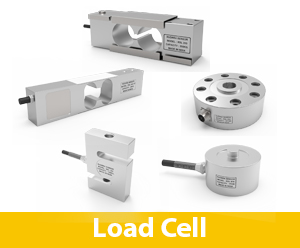
Why Material Choice Matters in Load Cells
Load cells are used in industries ranging from food processing, pharmaceuticals, construction, and agriculture to oil & gas, marine, and mining. Each industry poses unique environmental challenges such as humidity, chemicals, vibration, or extreme temperatures.
If the housing material is not suited to the environment, problems like corrosion, signal drift, or premature failure can occur. Therefore, selecting the right material helps ensure:
- Longevity – Resistance against rust, chemicals, and wear.
- Accuracy – Reduced impact of thermal and mechanical interference.
- Reliability – Protection against shocks, overload, and moisture.
- Low maintenance – Longer replacement cycles and reduced downtime.
Common Load Cell Housing Materials
1. Aluminum
Aluminum is one of the most widely used materials in load cells, especially for single-point and low-capacity load cells.
Advantages:
- Lightweight and cost-effective.
- Excellent thermal conductivity, reducing temperature gradients.
- Easy to machine, keeping manufacturing costs low.
Limitations:
- Limited corrosion resistance compared to stainless steel.
- Lower mechanical strength, not suitable for heavy-duty or harsh environments.
Best Applications: Retail scales, bench scales, small packaging machines, and controlled environments.
2. Stainless Steel
Stainless steel is the gold standard for load cells used in harsh and corrosive environments.
Advantages:
- Exceptional corrosion resistance (ideal for marine, chemical, and food industries).
- High mechanical strength and fatigue resistance.
- Can be hermetically sealed for IP68 and IP69K protection.
Limitations:
- Higher cost compared to aluminum.
- Lower thermal conductivity than aluminum, requiring compensation in precision applications.
Best Applications: Food & beverage processing, pharmaceuticals, chemical plants, marine weighing systems.
3. Tool Steel (Alloy Steel)
Tool steel load cells are rugged, economical, and widely used in industrial and heavy-duty weighing systems.
Advantages:
- Excellent mechanical protection and load-bearing capacity.
- Cost-effective compared to stainless steel.
- Good fatigue strength for repetitive loading.
Limitations:
- Prone to corrosion if not adequately coated.
- Requires protective finishes such as nickel plating.
Best Applications: Truck scales, railway weighing systems, heavy industrial platforms.
4. Specialized Coatings and Composites
Some load cell housings are enhanced with nickel plating, anodized aluminum, or polymer coatings for added durability.
Advantages:
- Extra corrosion resistance at lower cost.
- Customizable to specific industrial needs.
Best Applications: Where budget is a constraint but added protection is necessary.
Key Material Properties to Consider
1. Corrosion Resistance
- Stainless steel offers unmatched resistance against chemicals, saltwater, and humidity.
- Aluminum is naturally corrosion-resistant but weaker in acidic or alkaline environments.
- Tool steel requires plating or coating to survive in wet or corrosive conditions.
2. Mechanical Protection
- Tool steel and stainless steel provide the highest mechanical durability, making them ideal for high-capacity and shock-loaded applications.
- Aluminum is weaker and better suited for lighter capacities.
3. Thermal Conductivity
- Aluminum dissipates heat quickly, helping maintain accuracy in temperature-varying environments.
- Stainless steel, while less conductive, offers better stability under thermal stress with proper compensation.
Matching Material to Industry Applications
- Food & Beverage Industry → Stainless steel (IP68/IP69K sealed).
- Retail & Laboratory Weighing → Aluminum (lightweight, cost-efficient).
- Heavy-Duty Weighing (Truck, Rail, Industrial Platforms) → Tool steel with plating.
- Marine & Offshore Applications → Stainless steel with high-grade sealing.
Conclusion
The material of a load cell housing is not just a design choice—it directly affects accuracy, reliability, and service life. When choosing between aluminum, stainless steel, or tool steel, decision-makers must balance cost, corrosion resistance, mechanical strength, and thermal performance according to their specific application.
For industries exposed to extreme environments, investing in stainless steel load cells pays off in the long run with lower downtime and higher reliability. On the other hand, aluminum load cells serve well in lightweight, cost-sensitive applications, while tool steel provides rugged durability for heavy-duty systems.
In short, the right material ensures your load cells stay accurate, protected, and long-lasting—keeping your weighing systems running efficiently without costly interruptions.