


In modern industries, process control plays a critical role in ensuring efficiency, quality, and safety. From manufacturing lines and material handling to chemical processing and packaging plants, maintaining accurate control over loads is essential. This is where load indicators become an indispensable tool. By providing real-time feedback and enabling automation, load indicators transform weighing systems into intelligent control units that improve productivity and reliability.
In this blog, we’ll explore how load indicators are used in process control, why real-time feedback matters, and how they drive industrial automation.
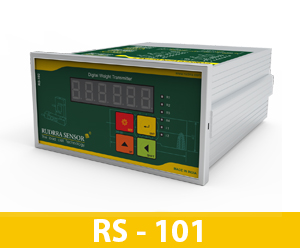
What is a Load Indicator?
A load indicator is an electronic device that displays, monitors, and processes the signals received from load cells. It acts as the interface between the load cell and the operator or automation system, converting raw electrical signals into meaningful data such as weight, force, or tension.
Beyond simple display functions, modern load indicators integrate with PLC (Programmable Logic Controllers), SCADA systems, and automation software, allowing industries to streamline processes with precision.
Importance of Real-Time Feedback in Process Control
In industrial environments, delays in measurement or inaccurate feedback can result in:
- Overloading of machinery, leading to equipment damage.
- Errors in batching or filling, causing product quality issues.
- Unsafe working conditions due to unmonitored loads.
Real-time feedback from load indicators ensures that every action—whether dispensing material, cutting, pressing, or mixing—is based on accurate, instantaneous data. This feedback loop allows systems to adjust automatically, preventing errors before they escalate.
How Load Indicators Enable Automation
Load indicators are not just passive displays; they are active participants in automation. Here’s how they contribute:
1. Closed-Loop Control
Load indicators work within a closed-loop system where the output (load measurement) is continuously compared to the input (desired load/weight). If there is a deviation, the system automatically corrects the process.
- Example: In a batching plant, when the target weight of material is reached, the indicator signals the system to stop feeding.
2. Integration with PLCs and SCADA
Modern load indicators have analog outputs, serial interfaces (RS232/RS485), or digital protocols like Modbus. These features enable seamless integration with automation controllers for centralized process management.
3. Programmable Relays and Alarms
Indicators can be programmed to trigger alarms or control relays when a load exceeds or drops below a set threshold.
- Example: In crane operations, the indicator can sound an alarm if a load is too heavy, ensuring safety.
4. Data Logging and Analysis
With built-in data logging, load indicators provide historical records of load measurements. This data can be used for quality control, predictive maintenance, and compliance reporting.
Applications of Load Indicators in Process Control
- Batching and Mixing Systems
- Ensure precise ingredient proportions by controlling feeders and mixers.
- Provide real-time cut-off when target weights are achieved.
- Filling and Packaging Machines
- Guarantee consistent product weight, reducing waste and ensuring customer satisfaction.
- Automate filling speeds based on real-time weight feedback.
- Material Handling and Cranes
- Prevent overload accidents by continuously monitoring lifted loads.
- Automate lifting limits and improve workplace safety.
- Pressing and Forming Operations
- Monitor applied forces in manufacturing processes such as stamping, pressing, or molding.
- Maintain uniformity in finished products.
- Chemical and Pharmaceutical Processes
- Enable highly accurate dosing and mixing for strict quality compliance.
- Integrate with process automation systems to reduce human error.
Benefits of Using Load Indicators in Automation
- Accuracy: Real-time weight monitoring reduces deviations.
- Efficiency: Faster operations with fewer manual interventions.
- Safety: Prevents overloads and equipment failures.
- Traceability: Data logging ensures compliance and quality assurance.
- Scalability: Easy integration with automation systems for future expansion.
Choosing the Right Load Indicator for Process Control
When selecting a load indicator for automation, consider these key features:
- Multiple Input Compatibility (supports various load cell types).
- Digital and Analog Outputs (for PLC/SCADA integration).
- High Sampling Rate (ensures true real-time feedback).
- Programmable Setpoints and Relays (for process control).
- Rugged Housing (to withstand industrial environments).
Conclusion
In today’s competitive industries, achieving precision, safety, and efficiency requires real-time process control. Load indicators make this possible by providing accurate feedback and seamless automation integration. From batching plants to pharmaceutical lines, they ensure that operations run smoothly, safely, and with minimal downtime.
By investing in the right load indicators, industries not only enhance automation and productivity but also gain a competitive edge in delivering consistent, high-quality output.